
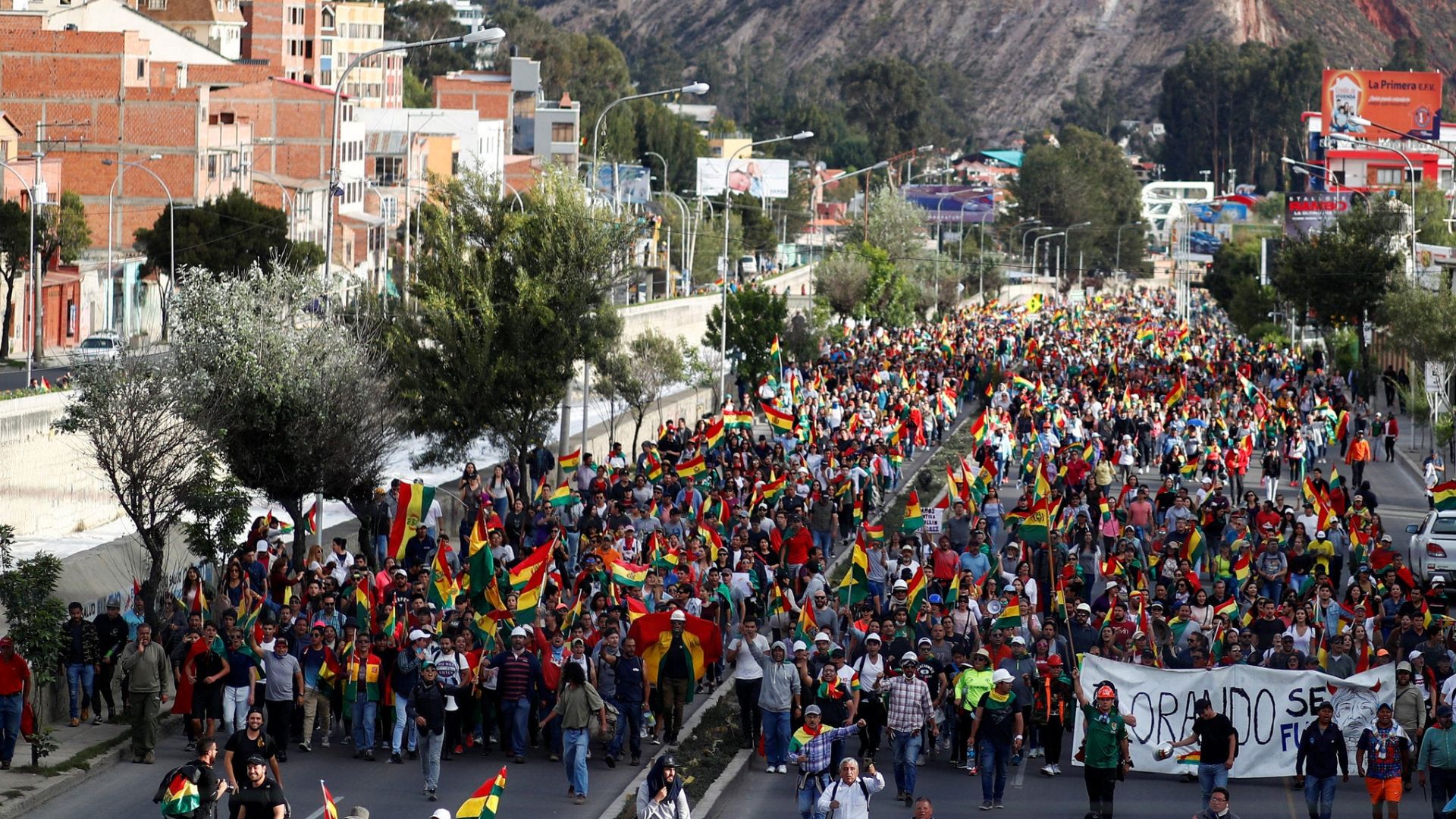

Bolivia made important progress in its prolonged social crisis on Sunday as authorities cleared several major protest roadblocks for the first time in weeks. However, a tragic military aircraft crash that killed six people overshadowed the breakthrough.
For nearly 50 days, anti-government protesters have blocked major highways, disrupted transportation and caused shortages of food, fuel and medicines across large parts of the country.
Government Moves to End the 50-Day Crisis
A day after President Rodrigo Paz declared a nationwide state of emergency, Bolivia's Legislative Assembly overwhelmingly approved the measure. As a result, the government gained broader authority to deploy the military to clear blocked roads and prevent further highway closures.
Officials argued that the move was necessary to restore transport links and ensure the delivery of essential supplies. Meanwhile, Bolivia's highways authority reported significant progress, reducing the number of active roadblocks to 28 after successful negotiations and enforcement efforts.
New Agreements Help Reduce Tensions
Several developments eased tensions on Sunday. In Santa Cruz, government officials and protest leaders signed an agreement to remove a key blockade in the town of San Julian. The roadblock had severely affected transportation and trade in the region.
Meanwhile, the influential Tupac Katari campesino federation in La Paz announced a temporary suspension of its protests. However, the group emphasized that its demands remain unchanged.
The federation continues to seek economic relief measures, the repeal of several government decrees, stronger labor and political protections, and action to address fuel quality concerns.
Military Support Flight Ends in Disaster
Despite the political progress, tragedy struck later in the day.
Bolivia's Defense Ministry said an Air Force Cessna FAB-409 aircraft crashed while flying from El Alto, near La Paz, to Cochabamba on an assistance mission.
The aircraft crashed in a remote mountainous area of the Andes in Cochabamba department. Consequently, all six people on board, including four civilians and two crew members, lost their lives.
Authorities have not yet determined the cause of the crash and have launched an investigation.
Aircraft Recently Carried Cancer Patients
Although officials did not disclose the exact purpose of the flight, the Defense Ministry said the aircraft had recently played an important humanitarian role.
In recent weeks, it transported children with cancer to treatment centers during the blockade crisis, helping families overcome major transportation disruptions and access medical care.
Damaged Infrastructure Creates New Challenges
Even as authorities remove roadblocks, Bolivia now faces the difficult task of repairing damaged infrastructure.
Many roads require extensive cleanup and repairs after weeks of protests and disruptions. Therefore, officials are working to restore transportation networks and normalize the movement of goods and services across the country.
Morales Allies Continue to Criticize Government
Many protesters involved in the demonstrations maintain close ties to former Bolivian president Evo Morales.
On Sunday, Morales claimed on social media that the Tropic of Cochabamba, a major agricultural region and political stronghold of his movement, was experiencing power outages, telephone service interruptions and restrictions on banking services.
His comments highlighted that tensions remain high despite recent progress in reducing the number of roadblocks.
Fuel Subsidy Cuts Triggered the Unrest
The crisis began after President Paz sharply reduced long-standing fuel subsidies in an effort to lower the country's budget deficit.
At the same time, Bolivia was struggling with a worsening shortage of US dollars and holding talks with the International Monetary Fund over potential financial assistance.
Although the government later moved to stabilize fuel prices and reversed unpopular land reforms, public frustration continued to grow. As a result, trade unions and protest groups expanded their demands, calling for higher wages, solutions to fuel and currency shortages, and President Paz's resignation.
Crisis Far From Over
While Sunday's breakthroughs marked the most significant easing of tensions in weeks, Bolivia's political and economic crisis remains unresolved.
The removal of key roadblocks has improved transportation and supply chains. Nevertheless, many protest groups continue to demand major policy changes from the government.
At the same time, the deadly military plane crash cast a shadow over the day's progress, reminding the country that significant challenges remain despite the recent signs of improvement.