
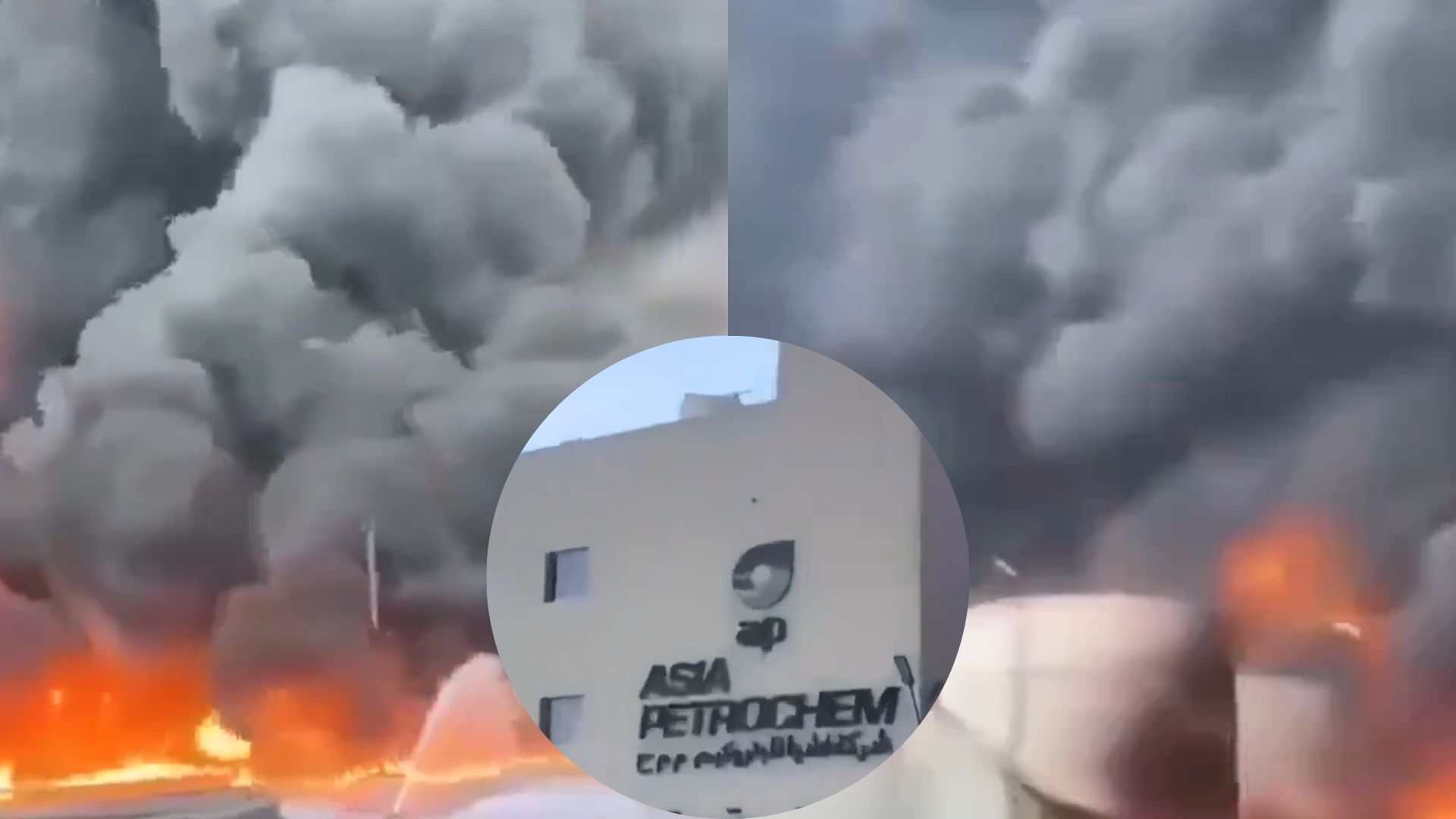

The United States launched another round of airstrikes on Iran, extending its military campaign to a 10th consecutive night. The US military said the attacks aimed at “further degrading” Iran’s ability to target ships passing through the Strait of Hormuz.
The latest strikes came after US President Donald Trump vowed to respond to the deaths of three American soldiers. The conflict has now spread across West Asia, with both countries carrying out attacks and neighbouring nations strengthening their defences.
US Steps Up Military Campaign
The United States continued its air campaign against Iran with fresh strikes on military and communication facilities. President Donald Trump warned that Iran would pay “many times over” for the deaths of three US soldiers. Two soldiers died in Jordan, while one was killed in Iraq.
Trump also said US forces struck Iran “very hard” the previous night “in honour” of the fallen American troops. The latest attacks focused on weakening Iran’s military capability and reducing its ability to threaten ships in the Strait of Hormuz.
🚨Massive Attack on Iran 💥💥 Major news is emerging from Tehran that the US has launched a massive attack on Iran using approximately 200 missiles, causing panic in the surrounding areas. pic.twitter.com/plbP5WgJVs
— US AIRFORCE 🇺🇲 (@usairforce_x) July 21, 2026
Iran Strikes Back
Iran quickly responded with attacks on sites in Bahrain, Jordan and Syria. President Masoud Pezeshkian said Iran was now fighting a “full-scale war” with the United States.
Despite the fighting, Iran said both sides continued to exchange diplomatic messages through intermediaries. These contacts continued even after the ceasefire collapsed.
Jordan, Kuwait and Bahrain Face New Threats
The conflict affected several neighbouring countries. Jordan's military intercepted three Iranian missiles late Monday after air raid sirens warned of incoming attacks.
Kuwait's armed forces said they shot down Iranian drones before they reached their targets. Bahrain also reported that Iranian drones targeted its air navigation systems. However, officials said the attacks did not disrupt air traffic.
US Strikes Hit Multiple Iranian Cities
Iran's semi-official Tasnim news agency said US strikes hit several cities overnight. The reported targets included Tabriz, Chabahar, Konarak, Bandar Mahshahr and Bandar Imam Khomeini. The attacks formed part of Washington's ongoing military campaign against Iran.
Oil Tankers Explode in Strait of Hormuz
Iranian state media reported that two oil tankers exploded while passing through the Strait of Hormuz. The Islamic Revolutionary Guard Corps (IRGC) claimed the ships travelled through an “unsafe and hazardous southern route” of the strait and “exploded and were brought to a halt”.
However, the US Central Command (Centcom) rejected the IRGC's account and disputed the claim.
Iran Claims Missile Attack on US Base in Kuwait
Iran said its military launched missiles at the US Arifjan base in Kuwait early Tuesday. State news agency IRNA quoted military officials as saying, “The army’s ground forces targeted the HIMARS missile systems of the US terrorist army stationed at the Arifjan base in Kuwait with surface-to-surface missiles.”
The report added, “HIMARS is a mobile missile system with the ability to move quickly against ground targets, which, when targeted, causes damage to the offensive and defensive layers and reduces the enemy’s missile power in aggressive crimes.”
Tensions Continue to Rise
The conflict between the United States and Iran continues to intensify. Both countries have exchanged airstrikes, missile attacks and drone operations across West Asia.
At the same time, diplomatic communication has not stopped completely. However, Iran now describes the conflict as a “full-scale war,” while the United States continues its military campaign. As a result, concerns are growing that the conflict could spread further and threaten regional stability.