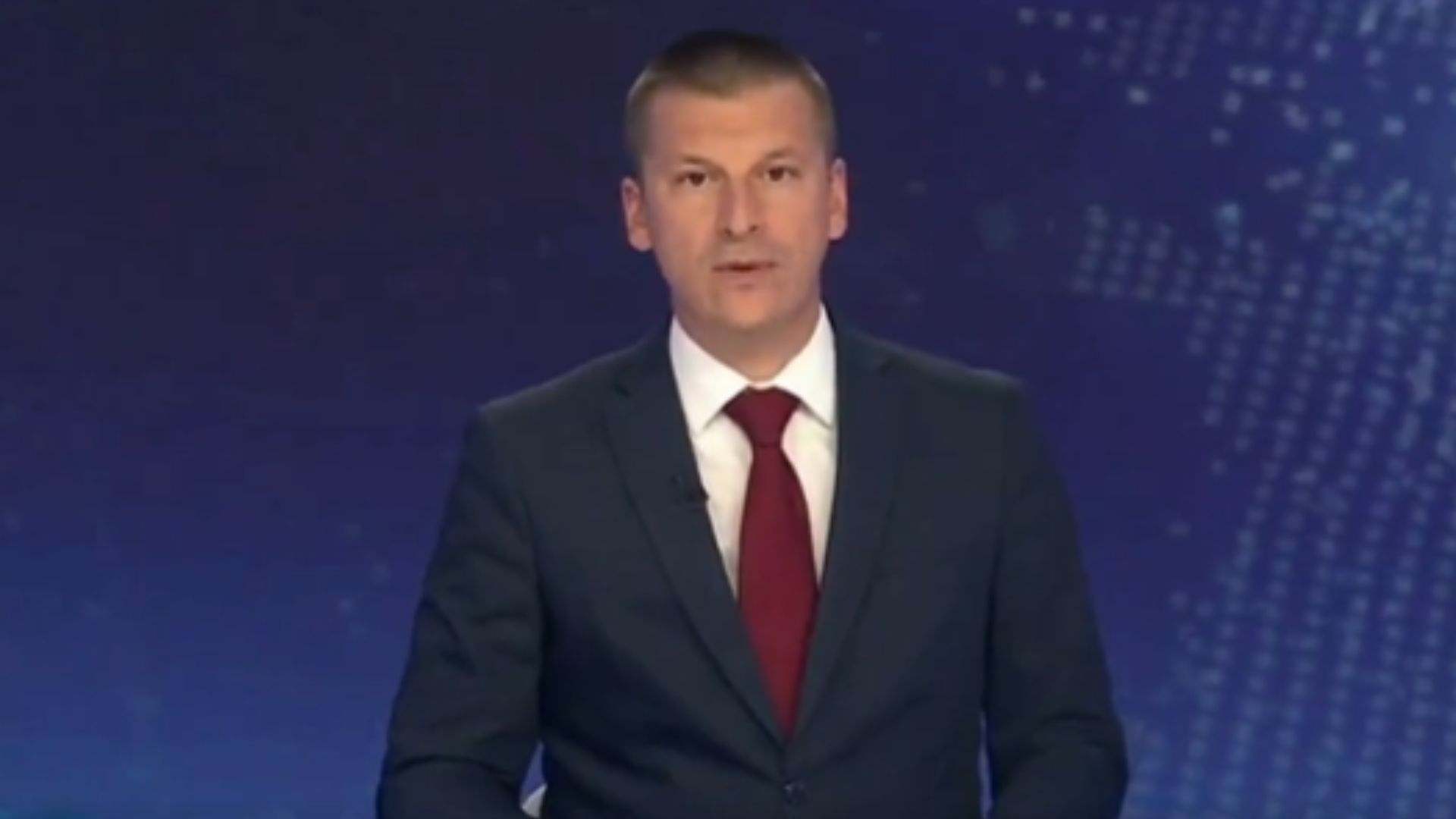
Serbia’s state-backed regional broadcaster, Radio Television of Vojvodina (RTV), has publicly acknowledged serious failures in its journalism, issuing an unusual apology during its main news bulletin. The broadcaster admitted that it had spent years presenting one-sided coverage, ignoring critical opinions and failing to hold government officials accountable.
The apology comes amid major political changes in Serbia, where an anti-corruption, student-led movement known as the
Student List reportedly defeated an alliance supporting long-serving President Aleksandar Vucic. The political development has intensified scrutiny of the country’s media organisations and their role in covering government activities.
During the broadcast, news anchor Goran Eror addressed viewers and accepted responsibility for the network’s failure to provide fair and balanced reporting. He acknowledged that the broadcaster had not fulfilled its obligations as a public-service news organisation.
"For years, we failed to fulfil our duty," Eror said during the broadcast. "We kept silent, turned a blind eye, reported events one-sidedly and failed to ask the necessary questions. For that, we owe our viewers an apology."
After the apology, RTV broadcast footage of thousands of people celebrating the Student List’s victory in cities across Serbia. The images had previously been excluded from the broadcaster’s coverage.
The development was followed by the resignation of RTV’s acting editor-in-chief, Nenad Cacic, who stepped down shortly after the on-air admission.
Railway Station Disaster Sparks Anti-Corruption Protests
RTV’s apology comes after nearly two years of anti-corruption protests that have challenged Serbia’s political leadership and increased public demands for accountability.
The demonstrations gained momentum following the collapse of a railway station canopy in Novi Sad in November 2024, which killed 16 people. The tragedy triggered widespread anger and raised allegations of government negligence, corruption in public infrastructure projects and political favouritism under Vucic’s administration.
Students gradually became a leading force in the protest movement. They demanded accountability for the disaster and stronger action against corruption, turning the issue into a broader challenge to the country’s political establishment.
During the demonstrations, state-owned and pro-government media outlets faced criticism for giving limited attention to opposition figures and presenting protesters in a negative light. Critics argued that such coverage prevented the public from receiving balanced information about the movement and its demands.
Figures published by independent election monitoring organisation Crta highlighted the imbalance in political coverage during the election campaign. Government officials accounted for more than 75 per cent of political coverage on national broadcasters, according to the organisation.
The Student List, meanwhile, received negative portrayals in more than 80 per cent of its appearances in news segments, the cited figures showed.
Serbia’s position in international press freedom rankings has also raised concerns. The country ranked 104th among 180 nations in the 2026 World Press Freedom Index, marking its lowest position on record.
Pro-Government Broadcasters Face Growing Public Anger
The political developments have also brought renewed attention to private television channels and tabloids that critics accuse of consistently supporting the government.
In Belgrade, protesters entered the newsroom of
Informer TV and disrupted its live broadcasts. They demanded the arrest of the channel’s owner, Dragan Vucicevic, during the confrontation.
Demonstrators also gathered outside
Pink TV, another broadcaster frequently criticised for its pro-government coverage.
The Independent Association of Journalists of Serbia announced that it would formally request the revocation of
Informer TV’s broadcasting licence. The association cited what it described as repeated breaches of legal requirements governing broadcasters.
The confrontations prompted a response from President Aleksandar Vucic, who condemned the incidents at the television newsrooms. He described the actions as an attack on freedom of speech.
RTV’s public apology has added to the debate over media independence, political influence and the responsibility of broadcasters to scrutinise those in power. The episode also reflects the growing pressure on Serbia’s media organisations to address allegations of bias and rebuild public trust amid the country’s political changes.