
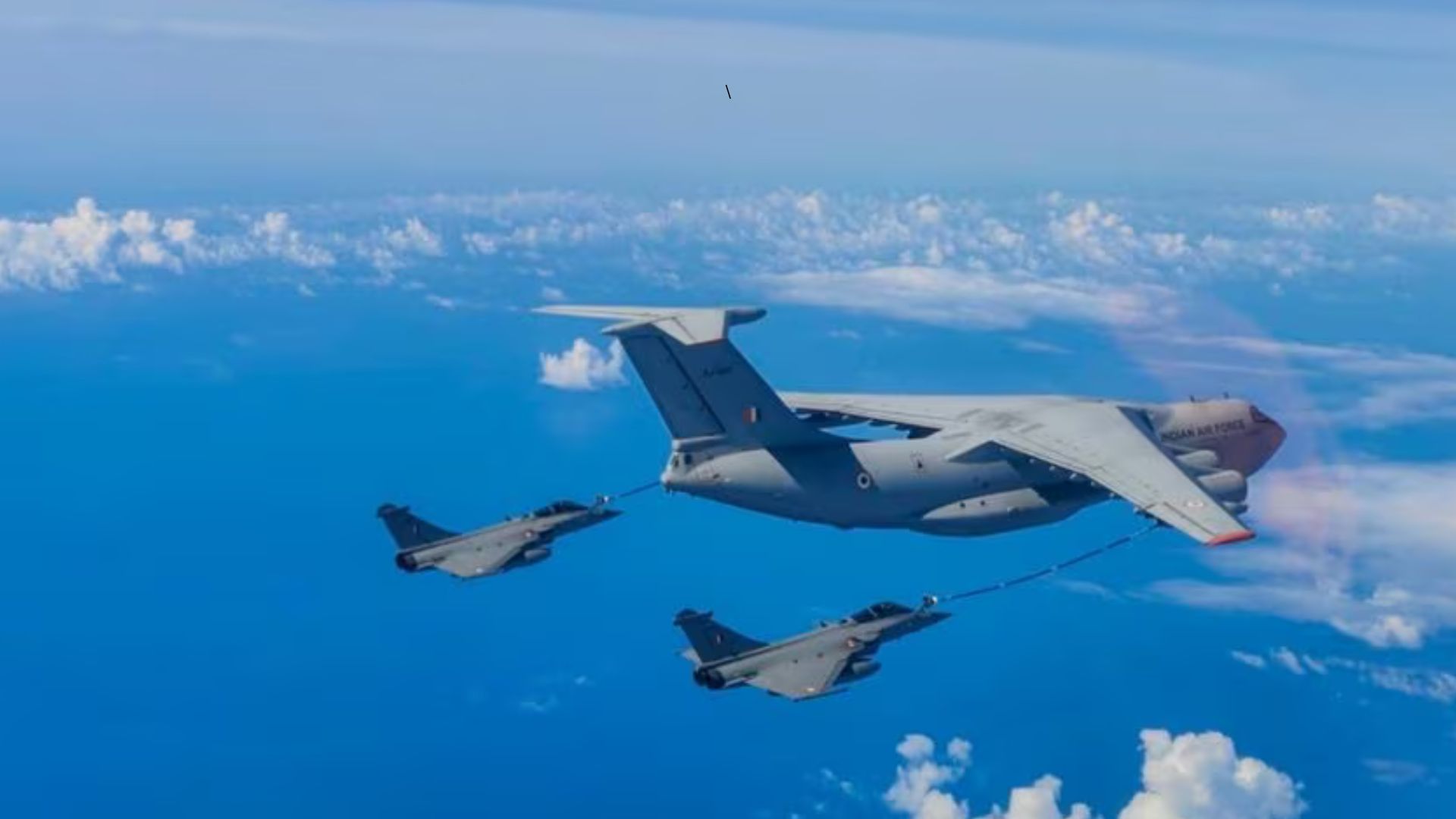

Indian Air Force pilots flew a C-130J Hercules from Hindon Airbase to Myanmar on March 29, 2025. They carried tonnes of aid for earthquake victims. However, as the aircraft flew over Myanmar, the crew encountered GPS spoofing.
Immediately, the pilots noticed navigation errors. Since they are well-trained, they acted quickly. They switched to backup systems without delay. As a result, they ensured the safety of the aircraft and the crew.
Suspicion Points to Foreign Source
Although the exact source remains unknown, experts believe the spoofing came from outside Myanmar. Clearly, this electronic interference targeted a humanitarian mission. Therefore, it sends a strong and concerning message.
Evidence Shows High GPS Interference
According to GPSJam.org, GPS disruption over Myanmar was very high that day. Notably, areas around Yangon and the Irrawaddy Delta showed major interference. The data showed red zones, which signal disruptions over 10 percent.
Spoofing More Dangerous Than Jamming
While jamming blocks signals, spoofing misleads navigation systems with false data. Consequently, it tricks aircraft into calculating the wrong positions. Worse, it can affect onboard inertial reference systems, leaving the aircraft confused.
Previously, similar spoofing cases were reported in the Middle East. In some cases, aircraft flew hundreds of miles off course. In others, pilots lost all navigation and relied only on air traffic control.
Coco Islands Come Into Focus
Interestingly, the Coco Islands lie just 300–400 km from the affected zone. Myanmar controls the islands, but many suspect China has electronic systems there. Due to their location, they may be linked to the GPS disruptions.
Moreover, the disruption did not spread across the region. Instead, it stayed focused over southern Myanmar. This isolated pattern strongly suggests a deliberate and well-coordinated act.
Experts Warn of Military Use
Todd Humphreys, an aerospace engineering professor, noted that spoofing is now common in military zones. For instance, countries have used it in the Middle East and Eastern Europe as a defense against missiles.
IAF Confirms Navigational Problems
Later, on April 14, 2025, the IAF officially confirmed “temporary navigational anomalies” near Myanmar on March 29. This statement adds weight to the GPS spoofing reports from that same day.
When military planes experience such issues, the threat becomes serious. Especially since these aircraft have backup systems, the disruption must have been strong. Clearly, this was not a random malfunction.
India's Strategic Concerns Grow
India has long expressed concern over Chinese-backed infrastructure in Myanmar. If the spoofing came from Coco Islands, it would show a shift toward electronic warfare. This would give adversaries the power to control regional airspace.
Worldwide, the use of spoofing has increased. For example, Russia reportedly used it during the Ukraine war. Similarly, Israel used it during the Gaza conflict for missile defense. These examples show how spoofing shapes modern warfare.
Coco Islands May Be a Key Threat
Taken together, these signs suggest the Coco Islands are not just strategic. In fact, they may be an active electronic warfare hub. Thus, they pose serious risks to flights and stability across the region.